
สถาบันรับรองมาตรฐานไอเอสโอ (MASCI) ได้ดำเนินงานด้วยความมุ่งมั่นในการขับเคลื่อนธุรกิจอุตสาหกรรมไทยให้มีการดำเนินงานสู่ความยั่งยืน โดยให้การสนับสนุนและประสานความร่วมมือกับองค์กรและผู้มีส่วนได้ส่วนเสียต่างๆ ในการยกระดับมาตรฐานระบบการจัดการและขีดความสามารถในการแข่งขันของผู้ประกอบการและหน่วยงานต่างๆ ในประเทศไทยให้ทัดเทียมในระดับสากล ทั้งนี้ MASCI ได้ร่วมกันขับเคลื่อนโครงการความร่วมมือระหว่างประเทศเพื่อเสริมสร้างประสิทธิภาพและคุณภาพของเศรษฐกิจอุตสาหกรรมไทยบนเวทีโลก ดังนี้
“The Management System Certification Institute (Thailand) (MASCI) operates with a firm commitment to driving Thai businesses and industries toward sustainable development. It provides support and collaboration with various organizations and stakeholders to elevate management system standards and enhance the competitive capabilities of Thai entrepreneurs and organizations to be on par with international levels. In this regard, MASCI has jointly driven international cooperation projects to strengthen the efficiency and quality of Thailand’s industrial economy on the global stage, as follows:”
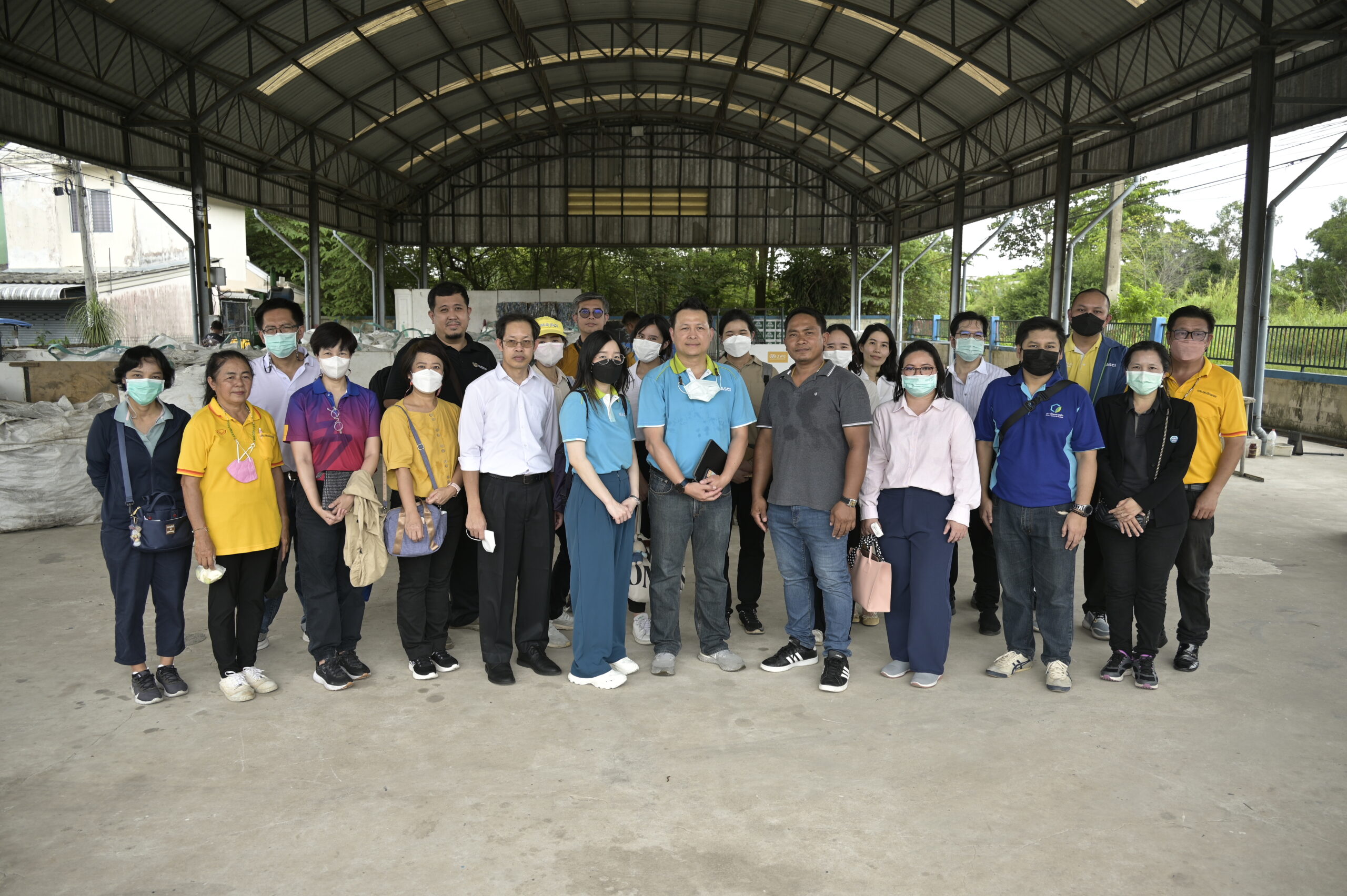
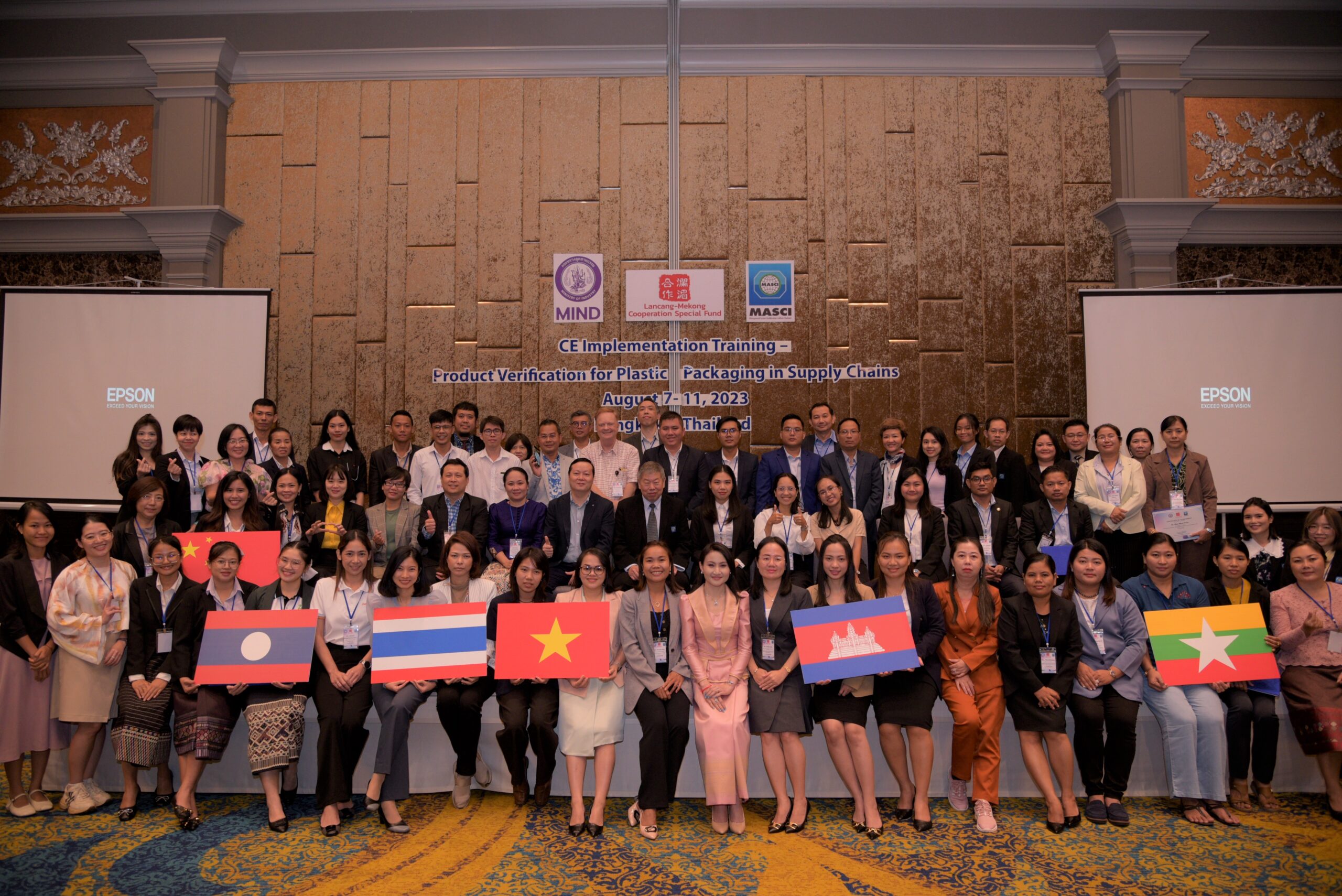
โครงการ “เสริมสร้างสมรรถนะด้านเศรษฐกิจหมุนเวียน (CE) ในภูมิภาคแม่โขง-ล้านช้าง: การทวนสอบผลิตภัณฑ์บรรจุภัณฑ์พลาสติกในห่วงโซ่อุปทาน”
หน่วยงานผู้ให้ทุน
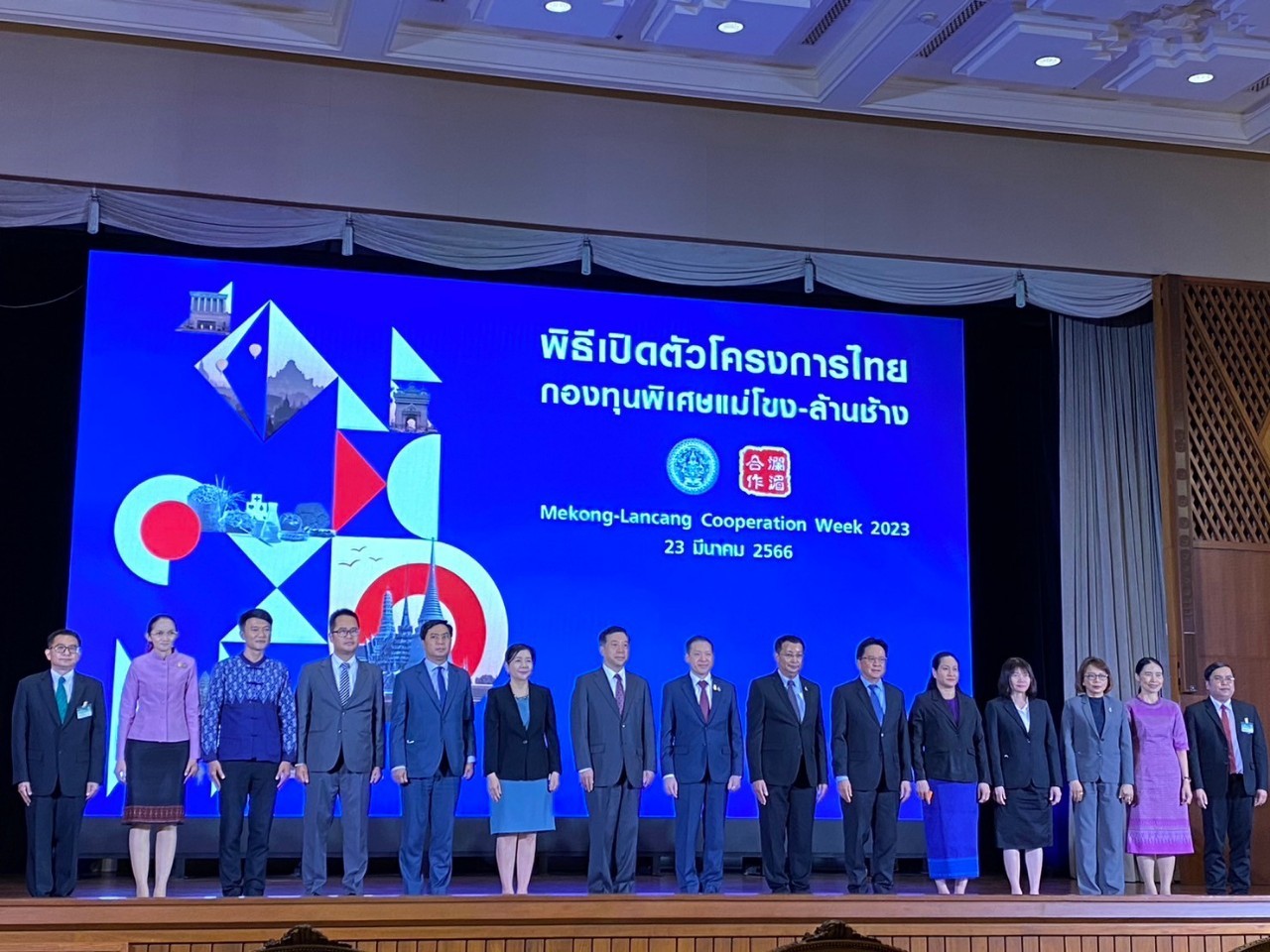
โครงการนี้ได้รับงบสนับสนุนจากกองทุนพิเศษแม่โขง – ล้านช้าง (Mekong – Lancang Special Fund: MLCSF) โดยกระทรวงการต่างประเทศและสถานเอกอัครราชทูตสาธารณรัฐประชาชนจีนประจำประเทศไทย พร้อมด้วยกระทรวงอุตสาหกรรม ในฐานะหน่วยงานผู้อุปถัมภ์ (Proponent Agency) และสำนักงานเศรษฐกิจอุตสาหกรรมเป็นหน่วยประสานงานกลาง (Focal Point) และเป็นที่ปรึกษาให้แก่ทีม MASCI ตลอดระยะเวลาของการดำเนินงาน
วัตถุประสงค์
เพื่อถ่ายทอดองค์ความรู้ด้านการทวนสอบผลิตภัณฑ์ CE จากโมเดลที่ประสบความสำเร็จสู่กลุ่มประเทศสมาชิก LMC ซึ่งประกอบด้วยประเทศจีน กัมพูชา ลาว เมียนมา เวียดนาม และไทย เพื่อสร้างความเชื่อมั่นในห่วงโซ่อุปทาน และเร่งการบรรลุเป้าหมายการพัฒนาที่ยั่งยืน (SDGs)
ระยะเวลาดำเนินการ
ธันวาคม 2565 – พฤศจิกายน 2566
กิจกรรมหลัก
การวิจัยและดึงองค์ความรู้ระดับสากล:
ศึกษาวิจัยข้อมูลจากประเทศต้นแบบและเชิญผู้เชี่ยวชาญต่างประเทศมาร่วมถ่ายทอดมาตรฐานสากล
การสร้างบุคลากรแกนนำ:
จัดหลักสูตร “Train the Trainer” เพื่อสร้างวิทยากรตัวคูณชาวไทย
การสร้างเครื่องมือและเครือข่ายภูมิภาค:
จัดทำคู่มือแนวปฏิบัติ (Guideline Handbook) และจัดการอบรมเชิงปฏิบัติการให้แก่ผู้แทนจาก 5 ประเทศสมาชิก
ผลลัพธ์และความสำเร็จ
โครงการนี้สามารถสร้าง “ตัวคูณ (Multipliers)” เป็นผู้เชี่ยวชาญชาวไทย 15 คน และสร้างเครือข่ายผู้เชี่ยวชาญในภูมิภาครวม 60 คน ซึ่งส่งผลกระทบต่อเนื่องในระดับนโยบายของแต่ละประเทศ อาทิ
กัมพูชา:
เริ่มพัฒนาเป็นมาตรฐานระดับชาติเพื่อสนับสนุนการทวนสอบผลิตภัณฑ์
เมียนมา:
จัดทำมาตรฐานระดับชาติผ่านคณะกรรมการมาตรฐานและหน่วยงานกำกับดูแล
ลาว และ เวียดนาม:
บูรณาการองค์ความรู้สู่ระบบการศึกษาและแพลตฟอร์มออนไลน์เพื่อปลูกฝังแนวคิด CE อย่างยั่งยืน
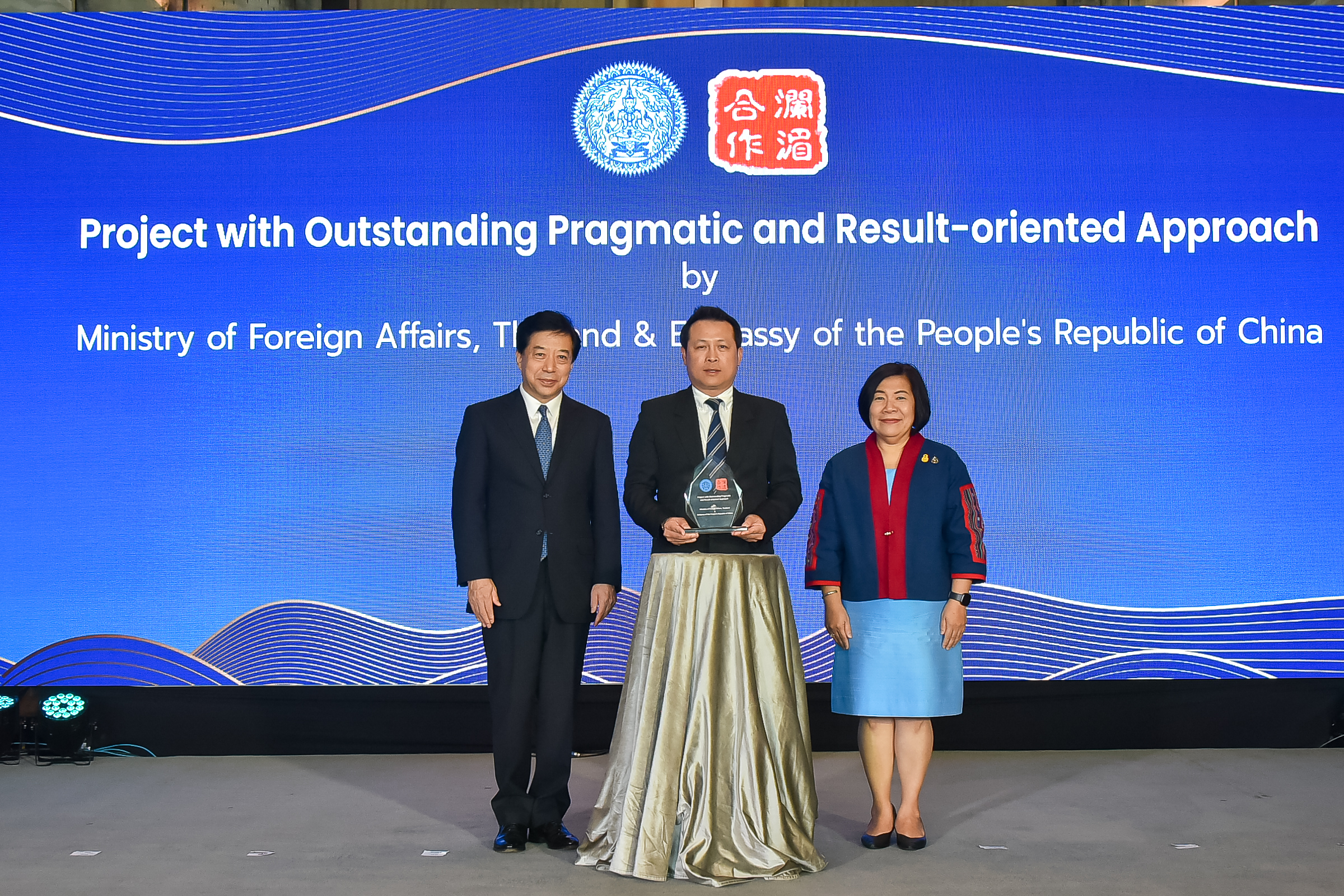
ด้วยการบริหารจัดการที่เป็นมืออาชีพ โครงการนี้ได้รับรางวัล “โครงการดีเด่นด้านปฏิบัติเพื่อมุ่งเน้นผลลัพธ์ (Project with Outstanding Pragmatic and Result-oriented Approach)” สะท้อนถึงศักยภาพของ MASCI ในการบริหารงบประมาณอย่างคุ้มค่า (Value for Money) และการสร้างผลสัมฤทธิ์ที่ใช้งานได้จริงในระดับสากล
“Circular Economy (CE) Capability Building in the Lancang-Mekong Region: Product Verification of Plastics Packaging in Supply Chains”
Funding Agency
The project is supported by “Mekong – Lancang Special Fund (MLCSF)” the Ministry of Foreign Affairs and the Embassy of the People’s Republic of China in Thailand, together with the Ministry of Industry serving as the proponent Agency, and the Office of Industrial Economics acting as the focal Point and providing advisory support to the MASCI team throughout the entire duration of the project’s implementation
Objectives
The project aimed to transfer global CE verification expertise to LMC member countries — six nations situated along the Mekong River (China, Cambodia, Laos, Myanmar, Vietnam, and Thailand) — to enhance supply chain credibility and accelerate the achievement of the Sustainable Development Goals (SDGs).
Implementation Period
December 2022 – November 2023
Key Activities
Global Knowledge Integration:
Conducting in-depth research on international models and engaging global experts to share world-class standards.
Capacity Multiplication:
Implementing the “Train the Trainer” program to develop a core group of Thai experts.
Regional Tool Development:
Creating Guideline Handbooks and hosting regional workshops for representatives across 5 member nations.
Outcomes and Achievements
The project successfully developed 15 Thai expert “Multipliers” and established a regional expert network of 60 representatives to generate a cascading impact at the policy level of each participating country, such as:
Cambodia:
Developing national standards to support CE product verification.
Myanmar:
Establishing national standards through regulatory bodies and standard committees.
Lao PDR & Vietnam:
Integrating CE principles into educational systems and public platforms for long-term sustainability.
Recognized for its excellence, this project was honored with the “Project with Outstanding Pragmatic and Result-oriented Approach” award. This accolade highlights MASCI’s sophisticated project management, financial transparency, and ability to deliver “Value for Money” while creating a lasting regional impact aligned with global environmental goals.
หน่วยงานผู้ให้ทุน
โครงการนี้ได้รับงบสนับสนุนจากกองทุนพิเศษแม่โขง – ล้านช้าง (Mekong – Lancang Special Fund: MLCSF) โดยกระทรวงการต่างประเทศและสถานเอกอัครราชทูตสาธารณรัฐประชาชนจีนประจำประเทศไทย พร้อมด้วยกระทรวงอุตสาหกรรม ในฐานะหน่วยงานผู้อุปถัมภ์ (Proponent Agency) และสำนักงานเศรษฐกิจอุตสาหกรรมเป็นหน่วยประสานงานกลาง (Focal Point) และเป็นที่ปรึกษาให้แก่ทีม MASCI ตลอดระยะเวลาของการดำเนินงาน
วัตถุประสงค์
เพื่อยกระดับอุตสาหกรรมสิ่งทอในภูมิภาคให้พร้อมรับมือกับกฎระเบียบการค้าโลกใหม่ และการใช้ทรัพยากรอย่างยั่งยืนผ่านนวัตกรรมวัสดุหมุนเวียน
ระยะเวลาดำเนินการ
กุมภาพันธ์ 2568 – กรกฎาคม 2569
กิจกรรมหลัก
สร้างเครือข่ายบุคลากรผู้เชี่ยวชาญ:
MASCI ได้จัดการฝึกอบรมเชิงปฏิบัติการแล้วเสร็จ โดยมีผู้แทนจากกลุ่มประเทศสมาชิก CLMVT และจีน เข้าร่วมรวมทั้งสิ้น 60 คน เพื่อสร้างความเข้าใจเชิงลึกเกี่ยวกับมาตรฐานวัสดุยั่งยืนและผลกระทบของมาตรการปรับคาร์บอนก่อนเข้าเขตพรมแดน (CBAM)จากทฤษฎีสู่การปฏิบัติจริง:
ปัจจุบันโครงการอยู่ในขั้นตอนสำคัญคือ “การคัดเลือกสถานประกอบการต้นแบบในภูมิภาค CLMVT” เพื่อเข้าร่วมกิจกรรมให้คำปรึกษาเชิงลึก (Coaching) ในการประยุกต์ใช้มาตรฐานการจัดการวัสดุยั่งยืนภายในองค์กร
ผลลัพธ์ที่คาดหวังและความสำเร็จขั้นต่อไป
โครงการนี้มุ่งหวังที่จะเปลี่ยนองค์ความรู้ให้กลายเป็นแนวปฏิบัติที่เป็นเลิศ (Best Practices) ในระดับโรงงาน ด้วยระบบการบริหารจัดการโครงการที่มุ่งเน้นผลสัมฤทธิ์และการมีส่วนร่วมของพันธมิตรในภูมิภาค ทำให้ MASCI มั่นใจว่าสถานประกอบการที่ได้รับการคัดเลือกจะเป็นฟันเฟืองสำคัญในการขับเคลื่อนห่วงโซ่อุปทานสิ่งทอของภูมิภาคแม่โขง-ล้านช้าง ให้มีความสามารถในการแข่งขันสูงขึ้นในตลาดโลกอย่างยั่งยืน
“Enhancing Sustainable Materials in the CLMVT Textile Industry: Addressing CBAM and SDGs Challenges through Capacity Building”
Funding Agency
The project is supported by “Mekong – Lancang Special Fund (MLCSF)” the Ministry of Foreign Affairs and the Embassy of the People’s Republic of China in Thailand, together with the Ministry of Industry serving as the proponent Agency, and the Office of Industrial Economics acting as the focal Point and providing advisory support to the MASCI team throughout the entire duration of the project’s implementation
Objectives
The project aimed to transfer global CE verification expertise to LMC member countries — six nations situated along the Mekong River (China, Cambodia, Laos, Myanmar, Vietnam, and Thailand) — to enhance supply chain credibility and accelerate the achievement of the Sustainable Development Goals (SDGs).
Implementation Period
December 2022 – November 2023
Key Activities
Empowering Regional Experts:
MASCI has completed the regional training sessions, equipping 60 participants from CLMVT countries and China with advanced knowledge on sustainable material standards and the implications of the Carbon Border Adjustment Mechanism (CBAM).Bridging Theory and Action:
The project has now transitioned into a critical phase: “The Recruitment and Selection of Pilot Enterprises” across the CLMVT region. Selected companies will receive intensive onsite coaching to implement sustainable material management systems within their actual production environments.
Anticipated Outcomes and Strategic Impact
This project aims to transform technical knowledge into tangible Best Practices at the factory level. Through result-oriented management and strong regional partnerships, MASCI ensures that the selected pilot enterprises will serve as cornerstones for a more competitive and sustainable textile supply chain in the Lancang-Mekong region, fully prepared for the demands of the global market.
For more information, click on the MLC Website ↙️
โครงการ “Capacity Building on GHG Emission Reductions for Industrial Sector in East Asian Countries (2025-2027)”
หน่วยงานผู้ให้ทุน
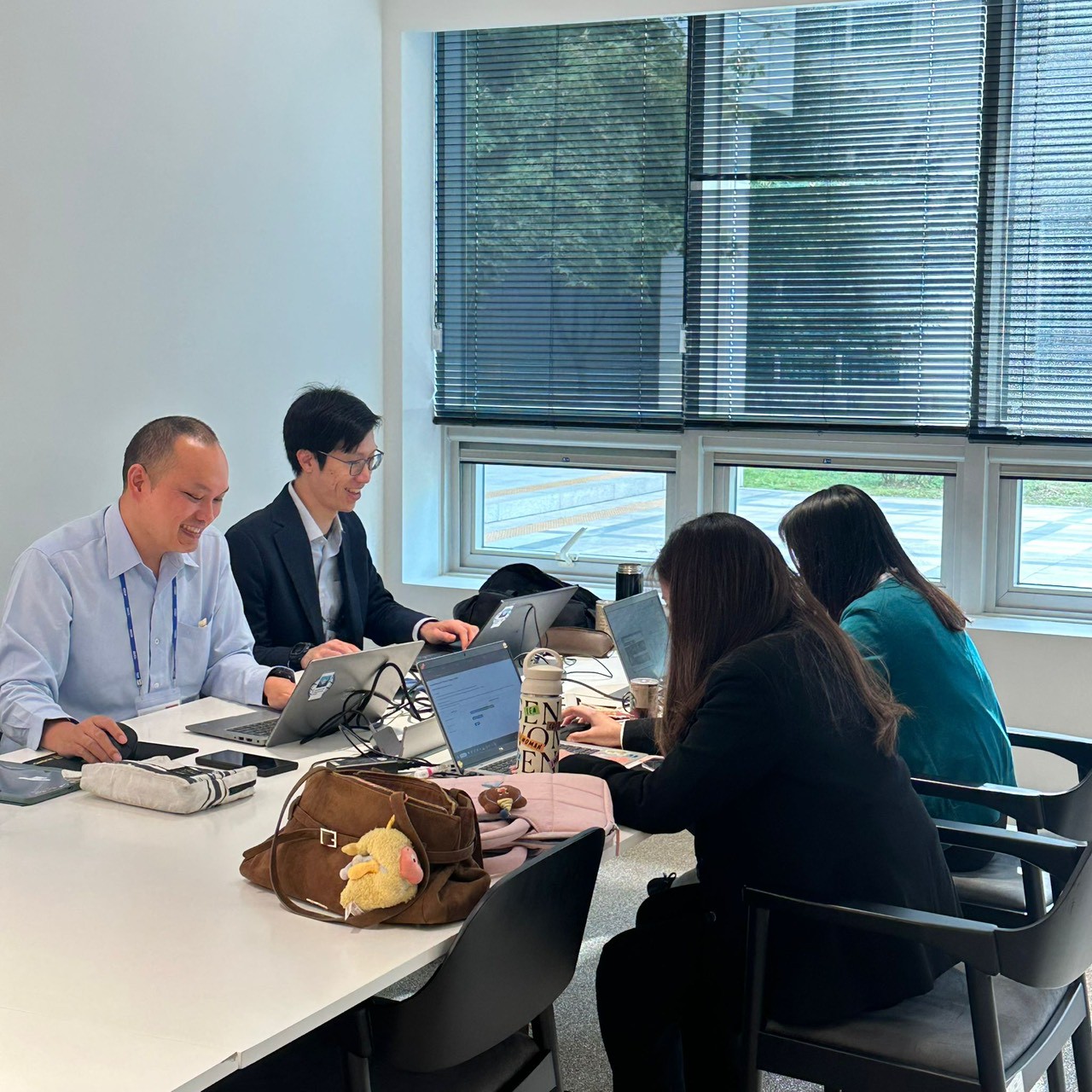
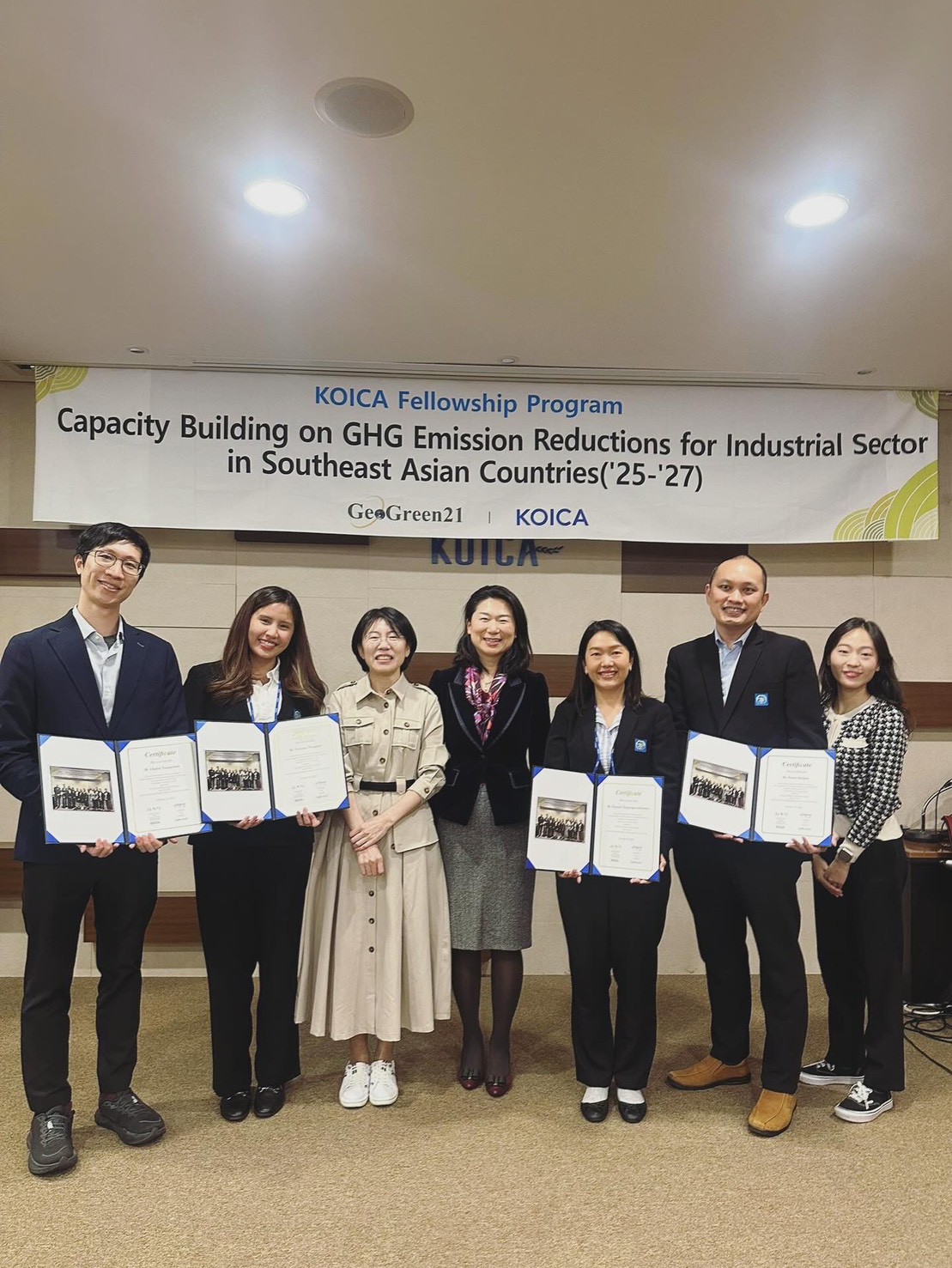
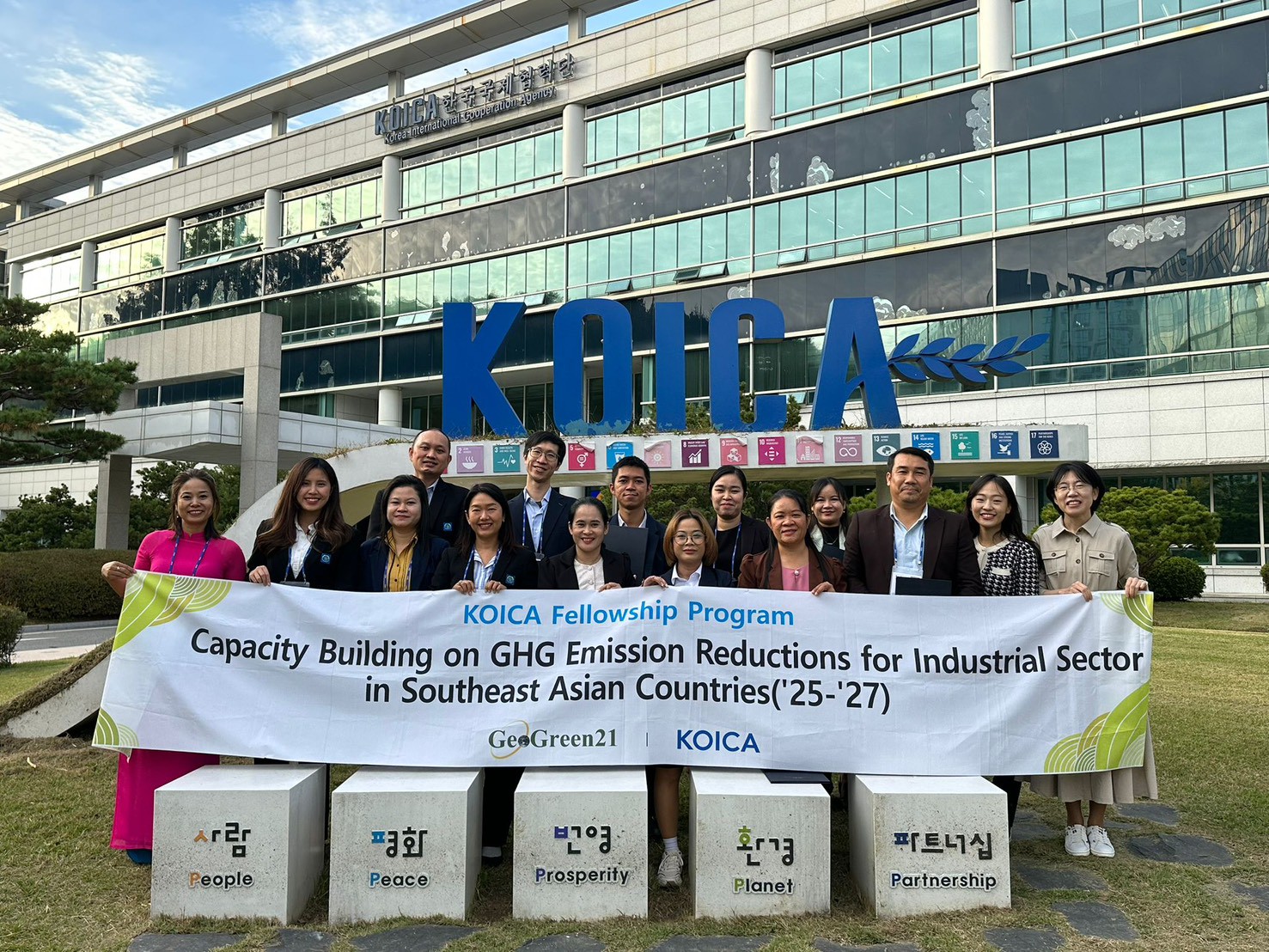
MASCI ได้รับการอนุมัติทุนฝึกอบรมระยะสั้นจากรัฐบาลสาธารณรัฐเกาหลี ผ่านองค์กรความร่วมมือระหว่างประเทศของสาธารณรัฐเกาหลี (Korea International Cooperation Agency: KOICA) เพื่อส่งบุคลากรผู้เชี่ยวชาญจำนวน 4 ท่าน เข้าร่วมหลักสูตร “Capacity Building on GHG Emission Reductions for Industrial Sector in East Asian Countries (2025-2027)” ณ สาธารณรัฐเกาหลี
วัตถุประสงค์
เพื่อยกระดับทักษะด้านการจัดการก๊าซเรือนกระจกในภาคอุตสาหกรรม
ระยะเวลาดำเนินการ
12 – 25 ตุลาคม 2568
กิจกรรมหลัก
เจาะลึกกลไก MRV ระดับสากล:
ศึกษาการพัฒนาระบบการวัด รายงาน และตรวจสอบ (MRV) ตามมาตรฐาน IPCC Guidelines และ ISO 14064 ซึ่งเป็นหัวใจสำคัญของการจัดการคาร์บอนนวัตกรรมเพื่อ Net Zero:
เรียนรู้แนวทางการปล่อยก๊าซเรือนกระจกสุทธิเป็นศูนย์ (Net Zero Pathway) และการประยุกต์ใช้เทคโนโลยีคาร์บอนต่ำในภาคอุตสาหกรรมการจัดการข้อมูลเชิงปฏิบัติ:
ฝึกฝนการจำแนกแหล่งกำเนิดและวัดปริมาณการปล่อยก๊าซเรือนกระจกในแต่ละขอบข่าย (Scopes) เพื่อนำมาพัฒนาแผนปฏิบัติการที่สอดคล้องกับบริบทของประเทศไทย
ผลลัพธ์และความสำเร็จ
บุคลากรที่เข้ารับการอบรมได้พัฒนาสู่การเป็น “ผู้เชี่ยวชาญด้าน GHG” ที่พร้อมนำองค์ความรู้มาสร้างบริการใหม่ๆ และยกระดับความน่าเชื่อถือของการทวนสอบข้อมูลก๊าซเรือนกระจกของสถาบันฯ ให้สอดคล้องกับมาตรฐานสากล ความสำเร็จในครั้งนี้ไม่เพียงแต่เป็นประโยชน์ต่อสถาบันฯ แต่ยังเป็นการลงทุนเชิงยุทธศาสตร์ที่ช่วยให้ภาคอุตสาหกรรมไทยสามารถวางแผนลดการปล่อยก๊าซเรือนกระจกได้อย่างมีประสิทธิภาพ และขับเคลื่อนประเทศสู่เศรษฐกิจคาร์บอนต่ำอย่างยั่งยืน
“ Capacity Building on GHG Emission Reductions for Industrial Sector in East Asian Countries (2025-2027)”
Funding Agency
MASCI was awarded a Short-term Fellowship (Type 1 (b)) by the Government of the Republic of Korea through the Korea International Cooperation Agency (KOICA). Four MASCI specialists participated in the “Capacity Building on GHG Emission Reductions for Industrial Sector in East Asian Countries (2025-2027)” program, held in South Korea
Objective
This initiative aims to strengthen technical capabilities in Greenhouse Gas (GHG) management for the industrial sector.
Implementation Period
October 12th to 25th, 2025
Key Activities
In-depth International MRV Mechanisms:
Studying the development of Measurement, Reporting, and Verification (MRV) systems aligned with IPCC Guidelines and ISO 14064 standards.Innovation for Net Zero:
Gaining expertise in Net Zero Pathways and the application of low-carbon technologies within industrial processes.Practical Data Management:
Mastering the classification of emission sources and quantifying GHG emissions across all scopes to develop action plans suitable for Thailand’s context.
Outcomes and Achievements
The participating personnel have evolved into “GHG Experts,” equipped to launch new value-added services and enhance the credibility of MASCI’s GHG verification in line with international requirements. This success goes beyond institutional growth; it represents a strategic investment in upgrading Thailand’s national capacity to enter the low-carbon economy. The knowledge gained will directly support Thai industries in effectively planning and executing GHG reduction strategies for long-term sustainability.
โครงการ “Development of Training Curriculum for Auditors on Thai Agricultural Standard (TAS) Sustainable Rice Scheme”
หน่วยงานผู้ให้ทุน
โครงการนี้ได้รับงบสนับสนุนจาก Deutsche Gesellschaft für Internationale Zusammenarbeit (GIZ)
วัตถุประสงค์
เพื่อพัฒนาหลักสูตรผู้ตรวจประเมินข้าวยั่งยืน มกษ. 4408:2565 ให้สอดคล้องตามระเบียบปฏิบัติสำหรับการรับรองมาตรฐานสินค้าเกษตร เรื่อง การผลิตข้าวยั่งยืน เพื่อสร้างการยอมรับร่วมในผลการตรวจประเมินกับเวทีข้าวยั่งยืน (Sustainable Rice Platform: SRP)
ระยะเวลาดำเนินการ
กุมภาพันธ์ 2569 – ธันวาคม 2569
กิจกรรมหลัก
- การทบทวนโครงสร้างหลักสูตรผู้ตรวจประเมินเดิม และนำเสนอโครงสร้างหลักสูตรผู้ตรวจประเมินข้าวยั่งยืน มกษ. 4408:2565 พร้อมข้อเสนอแนะในการปรับปรุง
- การพัฒนา ปรับปรุงสื่อที่ใช้ในการฝึกอบรม แบบฝึกหัด แบบทดสอบ การจำลองสถานการณ์ตรวจประเมิน การพัฒนาแบบประเมินผล และเครื่องมือที่ใช้ในการประเมินผล
- การนำเสนอหลักสูตรต่อผู้มีส่วนได้ส่วนเสีย ได้แก่ กรมการข้าว สำนักงานมาตรฐานสินค้าเกษตรและอาหารแห่งชาติ(มกอช.) และ GIZ เพื่อให้ข้อคิดเห็น ตลอดจนการนำหลักสูตรไปดำเนินการทดลองสอนกับกลุ่มเป้าหมาย และนำผลที่ได้มาดำเนินการปรับปรุงเป็นหลักสูตรสำหรับผู้ที่จะทำหน้าที่เป็นผู้ตรวจประเมินข้าวยั่งยืน
ผลลัพธ์และความสำเร็จ
การพัฒนาหลักสูตรกลางให้กับ มกอช. เพื่อพัฒนาผู้ตรวจประเมินข้าวยั่งยืนที่สอดคล้องกับข้อกำหนดด้านความสามารถของผู้ตรวจประเมินที่ระบุในระเบียบปฏิบัติสำหรับการรับรองมาตรฐานสินค้าเกษตร เรื่อง การผลิตข้าวยั่งยืน
“Development of Training Curriculum for Auditors on Thai Agricultural Standard (TAS) Sustainable Rice Scheme”
Funding Agency
This project received financial support from Deutsche Gesellschaft für Internationale Zusammenarbeit (GIZ).
Objective
This initiative aims to develop an auditor training curriculum for the Sustainable Rice Standard THAI GAP 4408:2022, in alignment with the regulatory procedures for agricultural commodity standard certification on sustainable rice production, to achieve mutual recognition of audit results with the Sustainable Rice Platform (SRP).
Implementation Period
February 2026 – December 2026
Key Activities
- Reviewing the existing auditor curriculum structure and presenting a revised curriculum framework for the THAI GAP 4408:2022 Sustainable Rice Auditor, along with recommendations for improvement.
- Developing and refining training materials, exercises, assessments, audit simulation scenarios, evaluation forms, and assessment tools.
- Presenting the curriculum to key stakeholders — including the Rice Department, the National Bureau of Agricultural Commodity and Food Standards (ACFS), and GIZ — to gather feedback, followed by a pilot teaching trial with the target group, and incorporating the results into a finalized curriculum for prospective sustainable rice auditors.
Outcomes and Achievements
The development of a core curriculum for ACFS to train sustainable rice auditors, in alignment with the auditor competency requirements specified in the regulatory procedures for agricultural commodity standard certification on sustainable rice production